


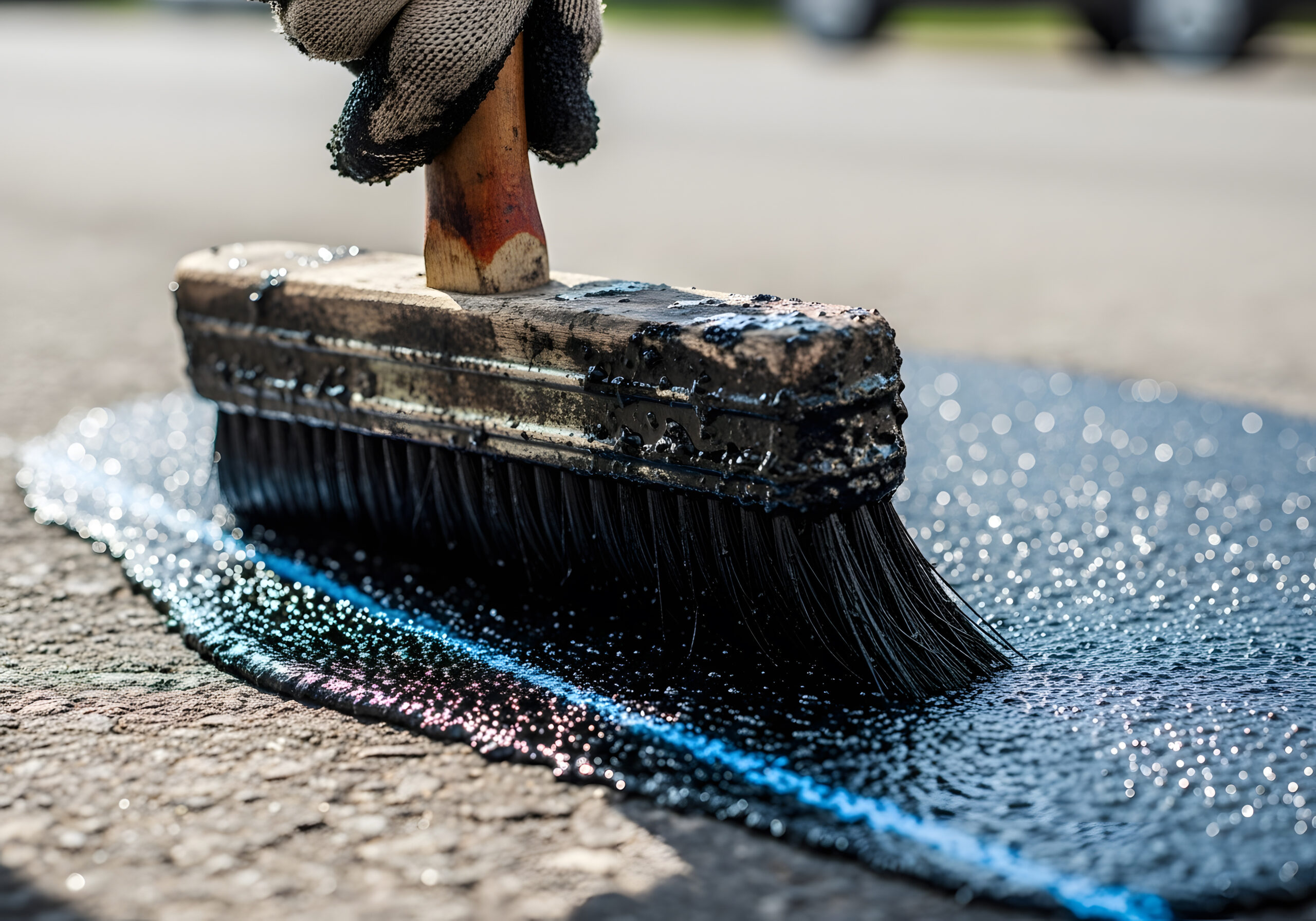
As an Indiana property manager, you already know how unpredictable the Midwest can be once winter rolls in. Between daily freeze-thaw cycles, snow plows scraping against asphalt, and chemically aggressive de-icing agents, your pavement undergoes serious stress. These challenges often raise the same question every year: Can you sealcoat in winter? And if so, will it actually last?
This guide answers those questions and more, focusing on how winter sealcoating in Indiana works, the best products for cold weather, and what you can do to preserve your investment when full-scale sealing must wait for spring. We’ll also share expert advice on parking lot winter maintenance and asphalt care during winter to help property owners avoid costly repairs down the road.
Looking to protect your surfaces year-round? HASCO, Inc., your trusted partner for Indiana commercial lot sealing and asphalt maintenance, has the experience and technology to keep your pavement in peak condition, even through the harshest months.
Contact us today to start your seasonal maintenance plan.
8 FAQs About Winter Sealcoating in Indiana
1. Can You Sealcoat Asphalt in Winter?
Technically, yes, but it’s not always practical. Sealcoating needs the right temperature and humidity levels to cure correctly: consistent daytime warmth above 50°F, low moisture, and no upcoming freeze. These conditions are rare during an Indiana winter, especially from December through March.
That said, during unseasonably warm spells, off-season sealcoating in Indianapolis can be done successfully with proper materials and timing. For business owners with high-traffic lots or visible wear, limited mid-winter applications can act as temporary protection until traditional sealcoating season returns.
2. What Are Cold Weather Sealants for Asphalt?
These sealants are advanced formulas designed to cure and adhere at lower temperatures. They often include modified polymers and fast-drying additives that allow proper bonding to slightly cooler surfaces. Cold weather sealants for asphalt can help extend pavement life through the winter months when used selectively, such as sealing high-stress or high-visibility areas.
However, they’re still sensitive to moisture and timing. That’s why HASCO’s experts monitor temperature patterns, surface conditions, and humidity forecasts carefully before recommending this option for your property.
3. Why Is Asphalt So Vulnerable During Winter?
Indiana’s climate subjects asphalt to continuous freezing and thawing. Water slips into cracks, then expands when frozen, which gradually widens gaps and weakens the structure beneath. Snow plows and salt compounds add even more strain. Without consistent asphalt care during winter, you may face potholes or major cracking by early spring.
4. What Are the Benefits of Off-Season Sealcoating in Indianapolis?
If your pavement meets temperature requirements, off-season sealcoating can create a barrier that guards against water and salt damage. It’s especially helpful for properties open year-round, like shopping centers, medical offices, or warehouse lots, where delay isn’t an option. Even temporary coatings can:
- Slow oxidation from the winter sun.
- Improve traction and color contrast for safety.
- Prevent minor cracks from widening under snow loads.
- Make early-spring maintenance less extensive and expensive.
5. Are There Risks to Winter Sealcoating?
If performed in the wrong conditions, sealcoating might not cure evenly. Cold air can trap moisture beneath the surface, leading to flaking or bubbling. That’s why HASCO only applies specialized sealants under verified safe weather conditions. Our systematic process ensures each layer bonds properly, offering reliable performance even when temperatures are inconsistent.
6. How Should I Maintain My Parking Lot in Winter Instead?
When full sealcoating isn’t possible, routine parking lot winter maintenance becomes your best defense. Preventive steps include:
- Clearing snow quickly to limit moisture penetration.
- Using plow blades with rubber edges to avoid scraping.
- Choosing ice melts that are less corrosive on asphalt.
- Filling cracks immediately before they expand.
- Sweeping surfaces to keep salt and sand from grinding into the pavement.
Consistent upkeep not only preserves appearance but also minimizes liability risks for slip-and-fall incidents.
7. When Is the Best Time to Schedule Sealcoating in Indiana?
Most professionals recommend April through October for Indiana commercial lot sealing. During this period, both surface and air temperatures allow sealant to fully cure, creating a smooth, durable finish. Early planning is key, scheduling ahead of spring ensures availability and optimal application windows for your property.
8. Can Sealcoating Be Combined With Other Services?
Absolutely. Many property managers combine sealcoating with crack repair, asphalt patching, line striping, and surface maintenance for a comprehensive approach. Partnering with HASCO ensures each stage of pavement care works together to strengthen the foundation and renew overall curb appeal.
Protect Your Investment with HASCO
Indiana winters don’t have to take a toll on your pavement. From preventive maintenance to specialized cold weather sealant for asphalt, HASCO has the skill, equipment, and experience to help you navigate every season with confidence. Whether you manage a commercial lot, industrial property, or retail center, our team provides the dependable service and honest guidance you deserve.
Contact HASCO, Inc. today for a consultation or free estimate, and prepare your pavement for a strong start next spring.